
26
Jan
Rushing from an early meeting in New York to a casual dinner in Paris, your bag needs to keep up with every twist of your busy schedule. For fashion-forward professionals who balance ambition, style, and tech demands, the right bag is far more than an accessory. It is a statement of confidence and modernity that supports your everyday essentials while matching your personality. Explore versatile styles and materials that combine practicality with fresh design trends, guiding you toward a smarter, more authentic bag choice for your life on the move.
Table of Contents
- Step 1: Define Your Daily Needs And Style Priorities
- Step 2: Explore Relevant Bag Materials And Designs
- Step 3: Assess Tech-Friendly And Security Features
- Step 4: Compare Exclusivity And Brand Reputation
- Step 5: Test For Comfort, Quality, And Versatility
Quick Summary
| Key Insight | Explanation |
|---|---|
| 1. Define your daily needs | Identify what you carry daily to choose a bag that suits your lifestyle and work environment. |
| 2. Explore bag materials | Select durable materials that match your needs for functionality and aesthetic appeal in various situations. |
| 3. Assess tech features | Ensure your bag has protective compartments for devices and organizational features to manage electronics efficiently. |
| 4. Focus on comfort | Test the bag’s fit and comfort by loading it with your regular items to ensure it feels right during long use. |
| 5. Evaluate brand reputation | Research brands for quality assurance, customer service, and resale value to make a smart investment. |
Step 1: Define your daily needs and style priorities
Before you start scrolling through bag options, take a moment to understand what your actual day looks like. This isn’t about what you think you should carry or what Instagram influencers suggest. It’s about the reality of your commute, your workspace, and the activities you do between Monday and Friday. Understanding your daily lifestyle and bag needs is the foundation for any smart bag purchase, because a stunning leather messenger that holds three items won’t serve you well if you’re lugging your laptop, documents, power bank, water bottle, and gym shoes every single day.


Start by tracking what you actually carry for a full week. Write down the essentials: your laptop or tablet, work documents, phone, wallet, keys, and any other items specific to your role. Are you in meetings across multiple locations? Do you need space for client materials or presentation folders? Are you heading to the gym after work? Do you grab coffee meetings where you need hands free? Consider the size and weight of each item, and be honest about frequency. That fitness gear you tell yourself you’ll bring every day but realistically use twice a month? Don’t let it drive your bag selection. Then think about your style environment. Corporate finance calls for different vibes than creative agencies, and remote work with occasional office days has completely different needs than daily commuting. Your bag should whisper confidence in your professional spaces, not shout for attention (unless that’s genuinely your brand).
Now layer in your personal style. Are you someone who prefers minimalist aesthetics with clean lines and neutral tones? Do you gravitate toward structured silhouettes that look polished and intentional? Or do you embrace texture, interesting details, and bags that are conversation starters? Your bag gets seen by colleagues, clients, and everyone on your commute, so it should feel authentically you rather than a compromise between practicality and personality. Think about the occasions beyond work too. Does your bag need to transition from office to weekend dinner? From business travel to casual outings? Versatility matters here, but only if you’re actually leveraging it.
Pro tip: Spend three days noting exactly what leaves your home in your bag and when. Use your phone’s notes app to timestamp items by day. You’ll spot patterns immediately, like how Tuesday client meetings need different capacity than Wednesday desk work, helping you choose a bag that actually matches your real life instead of your imagined ideal schedule.
Step 2: Explore relevant bag materials and designs
Now that you understand what you need to carry and how you want to feel wearing your bag, it’s time to match those requirements with materials and designs that deliver both durability and style. The material you choose directly impacts how your bag performs, how long it lasts, and whether it actually fits your lifestyle. A bag made from delicate satin looks gorgeous for a dinner party but won’t survive daily commute wear, while the right structured leather or technical fabric becomes a workhorse that improves with age.
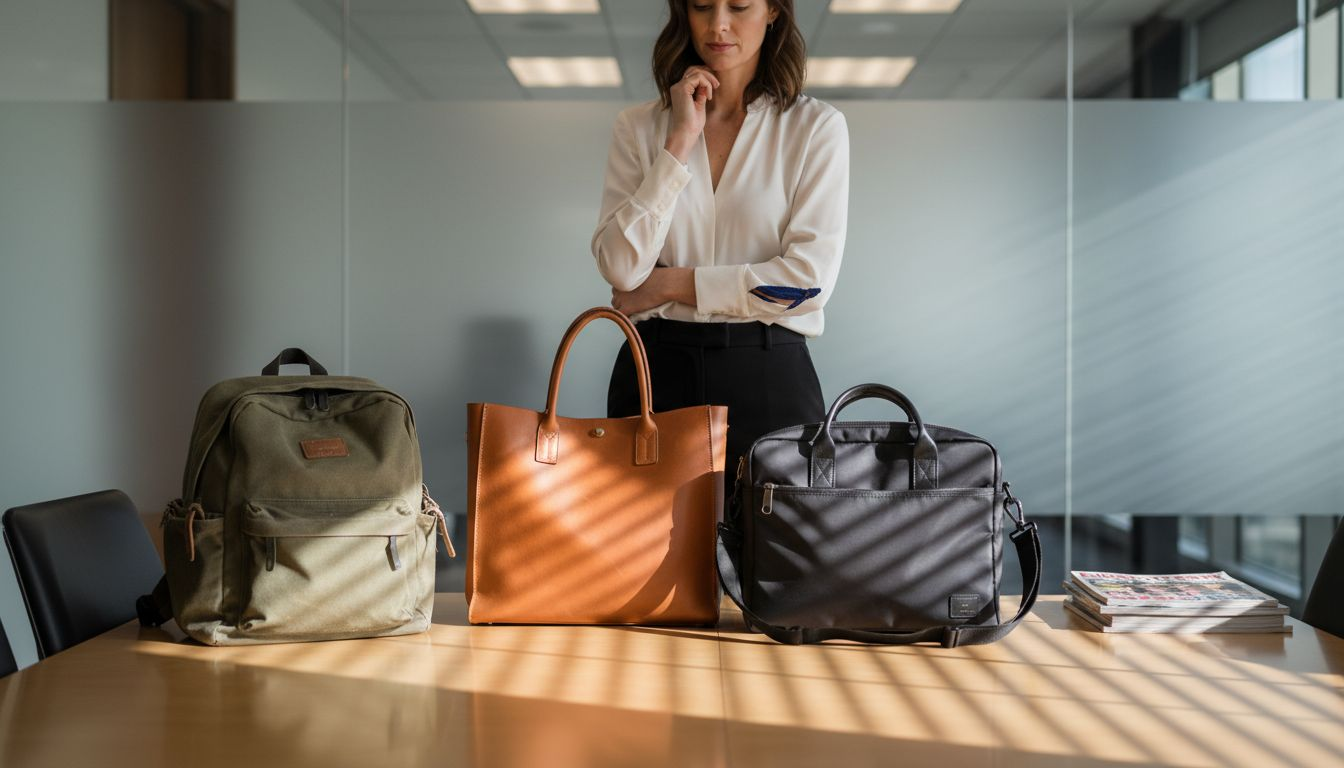
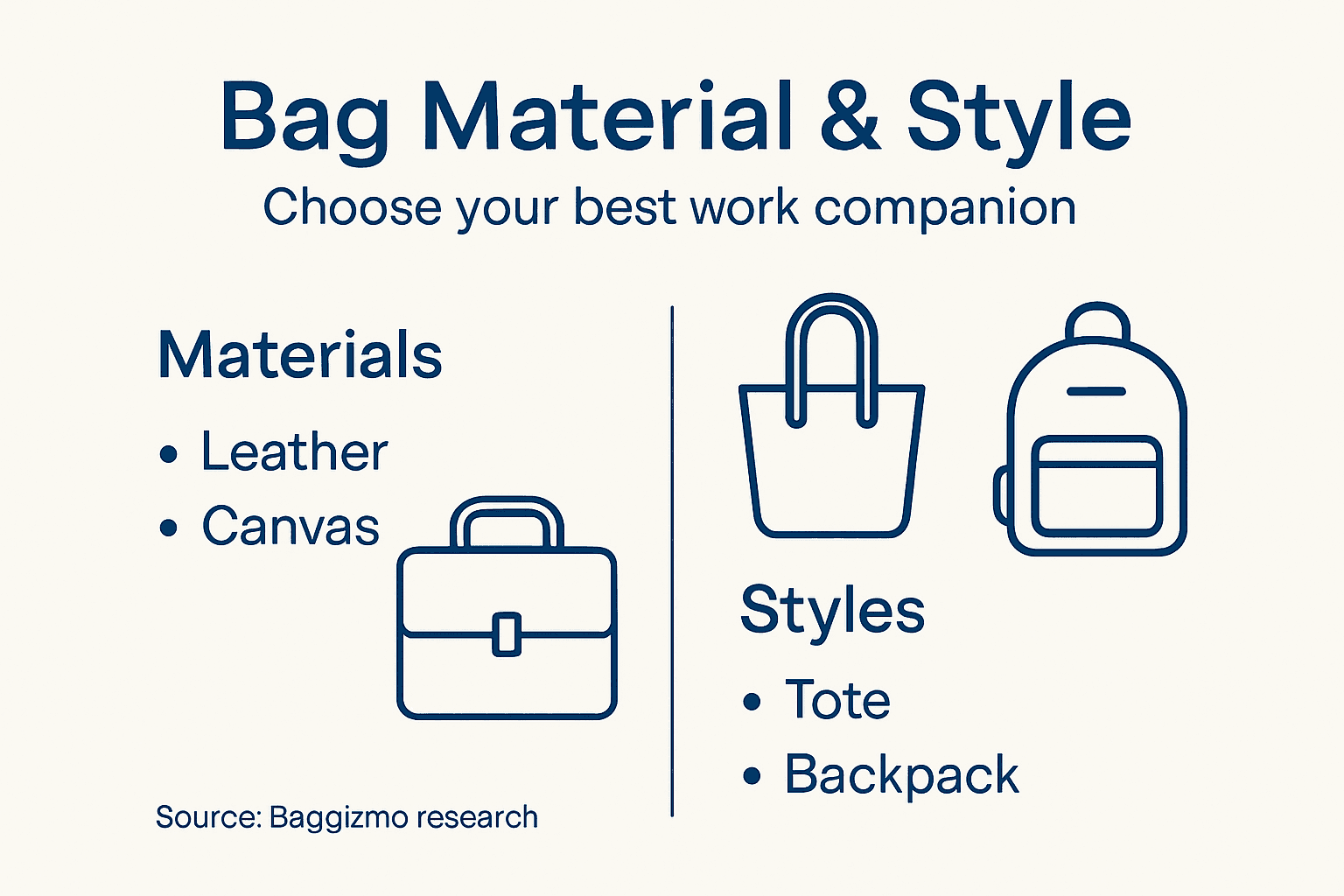
Start by considering your daily environment and what your bag needs to endure. Professional urban settings call for different materials than creative workplaces. Key materials for bags in 2024 include tannin reengineered denim for casual yet stylish looks, glossy plastic for polished weather resistant options, and silky lusters like satin offering luxury for special occasions. Beyond these trending options, quality leather remains a professional standard that develops character over time, while modern textiles and sustainable fabrics like organic cotton or recycled materials appeal to professionals who prioritize environmental impact. Think about weight too. A beautiful bag that exhausts your shoulder by Wednesday afternoon is only stylish until the pain sets in. The design you choose should also match your needs. Convertible bags offer flexibility if you need something that transitions from office to evening, while structured handbags project classic elegance and modern sophistication. Bucket bags deliver roomy interiors perfect for those carrying multiple daily essentials, and they’ve maintained trendiness with interesting colorway options that feel fresh without being impractical.
Don’t overlook compartmentalization and organizational features. A bag that looks perfect but forces you to dig through a black hole of fabric every time you need your keys defeats the purpose. Look for designs with dedicated laptop slots if you’re carrying electronics, separate compartments for work documents, and secure pockets for valuables. The best design is one that solves the actual problems you identified in Step 1. Your material and design choices should work in concert with your lifestyle, not against it.
Here is a summary of common bag materials and their best use cases:
| Material | Durability Level | Style Suitability | Best Daily Use |
|---|---|---|---|
| Tannin Denim | Moderate | Casual, stylish | Everyday office or errands |
| Glossy Plastic | High | Modern, polished | Rainy commutes, outdoor work |
| Premium Leather | Very High | Professional, timeless | Formal work, long-term use |
| Satin | Low | Luxurious, elegant | Special occasions or evenings |
| Organic Cotton | Good | Eco-friendly, trendy | Light carrying, weekend trips |
| Recycled Textiles | Good | Innovative, sustainable | Professionals valuing ecology |
Pro tip: _Visit a store and physically hold bags made from different materials while wearing them with your typical work outfit and fully loaded with your actual daily items. How does the weight feel? Does the material match your aesthetic? Does the compartmentalization reduce friction when you’re rushing between meetings? Your instinct in that moment matters more than online reviews.
Compare top bag styles for work and versatility:
| Bag Style | Key Advantages | Drawbacks | Ideal User Profile |
|---|---|---|---|
| Convertible Bag | Transitions office to evening | May lack strong structure | Professionals with varied schedules |
| Structured Handbag | Polished, classic aesthetic | Limited interior space | Corporate, client-facing roles |
| Bucket Bag | Roomy interior, trending colors | Less formal look | Creative, multitasking professionals |
| Crossbody Bag | Comfort, enhanced security | Smaller overall carry space | Commuters needing hands free |
Step 3: Assess tech-friendly and security features
Your bag isn’t just a fashion accessory anymore. It’s a mobile office, and modern professionals need bags that protect their devices and keep their digital life organized. Before you finalize your choice, spend time evaluating how well a bag supports your tech ecosystem and safeguards your valuables. This step separates bags that merely look functional from bags that actually work for someone managing laptops, phones, tablets, and important documents every single day.
Start by examining device protection. Does the bag have a dedicated padded laptop compartment that fits your specific device? A generic laptop sleeve that doesn’t snugly hold your computer creates unnecessary movement and risk during commutes. Check the padding quality and material. Some bags offer additional protection through reinforced stitching around compartments where your most expensive electronics live. Look for interior organization that keeps your devices separated from other items. Your laptop shouldn’t be rubbing against your coffee cup or pressing against your water bottle. Beyond laptops, consider phone accessibility. Can you reach your phone easily without dumping your entire bag’s contents? Are there secure pockets specifically sized for phones where they won’t slip around? Think about cable management too. Professional bags increasingly feature internal cable organizers and charging port access, allowing you to plug in your power bank without opening the main compartment.
Security features deserve equal attention. Your bag likely contains credit cards, identification, sensitive work documents, and devices worth hundreds of dollars. Look for bags with anti-theft design elements like slash-resistant materials, hidden zippered pockets, and secure closures that aren’t easily accessible from outside the bag. Some quality bags incorporate RFID blocking technology for card pockets, protecting your financial information from electronic theft. Consider the bag’s design itself. Crossbody designs distribute weight comfortably and keep your bag close to your body, making theft much harder than with over-the-shoulder styles. Structured bags with strong handles and secure attachment points prevent opportunistic grabbing. Test the zippers and closures personally. Quality hardware that moves smoothly and closes securely matters far more than trendy magnetic closures that pop open in crowded spaces.
Pro tip: Before committing to any bag, spend 15 minutes loading it with your actual tech gear and test all the compartments, pockets, and closures while wearing it. Walk around the store or your home to feel how the weight distributes and whether the organization system actually reduces your daily friction rather than creating more.
Step 4: Compare exclusivity and brand reputation
Brand matters in ways that go beyond ego or status. When you choose a bag from an established brand with solid reputation, you’re investing in quality control, customer service, and resale value. A well-chosen bag from the right maker becomes part of your professional identity and often holds its worth far better than impulse purchases from lesser-known sources. This step helps you distinguish between brands that deliver real value and those trading purely on hype.
Start by researching what different brands actually represent. Top luxury bag brands like Hermès, Chanel, Louis Vuitton, Dior, and Prada are known for their craftsmanship, exclusivity, and timeless designs that embody status and quality recognition worldwide. But luxury pricing isn’t your only option as a modern professional. Mid-tier heritage brands offer excellent quality and design without the extreme price tag, while emerging designers bring fresh aesthetics and innovation. The key is matching brand positioning with your actual needs and budget. A startup brand creating beautiful bags in limited runs might genuinely suit your values if sustainability matters to you, while a heritage brand offers decades of proven construction methods and customer loyalty programs. Consider what reputation means in your specific industry and workplace culture. Some environments celebrate luxury branding and recognize heritage pieces, while others view quiet, understated quality as more sophisticated. Both perspectives are valid. Your choice should align with your professional context and personal values, not some imagined standard of what you should want.
Exclusivity affects both price and longevity. Brands that produce limited quantities maintain desirability and often appreciate over time, while mass-produced options depreciate quickly. Think about whether you want a bag that evolves with your personal style over years or one you’ll replace seasonally. Check customer reviews specifically for durability and customer service responsiveness. A beautiful bag from a brand that vanishes when you need warranty support becomes a regrettable purchase. Look at resale value too. If you ever want to upgrade or shift your style, bags from established makers retain their worth far better than unknown brands. This isn’t shallow thinking. It’s practical financial awareness. You’re spending significant money, so understanding whether that investment holds value matters.
Pro tip: Before purchasing any bag, search for the brand name plus “customer service reviews” and “durability” rather than just “beautiful bags.” Real user experiences reveal whether a brand stands behind its products and how bags actually perform after six months of daily use, not just in Instagram photos.
Step 5: Test for comfort, quality, and versatility
You’ve narrowed down your options based on needs, materials, features, and brand reputation. Now comes the moment that separates a good choice from a great one. You need to physically test the bag to ensure it actually works with your body, your lifestyle, and your real world. This isn’t about falling in love with how it looks on the shelf. It’s about verifying that you’ll still love it after wearing it for eight hours during a hectic workday.
Start with comfort, because no matter how beautiful a bag is, you’ll resent it if your shoulder aches by noon. Put the bag on and load it with weight similar to what you actually carry. Walk around for several minutes, not just a few steps. Notice where the straps sit on your shoulders. Do they dig in? Do they slip? The best work bags feature padded straps and appropriate weight distribution that makes bags suitable for long commutes and varied activities while maintaining comfort over time. Pay attention to how the bag moves when you walk. Does it swing awkwardly? Does it stay close to your body? Test the handles too. If you frequently carry your bag by hand rather than wearing it, make sure the handle doesn’t cut into your palm or feel too thin. Comfort during testing predicts comfort during daily use. If something feels off in the store, it won’t magically feel better at home.
Quality assessment requires close inspection. Open every pocket and compartment. Look at the stitching along seams. Are threads even and tight, or loose and irregular? Examine how hardware attaches to the bag. Quality zippers move smoothly without catching, and metal fittings feel substantial and securely fastened. Check interior seams. A quality bag has finished seams inside, not raw edges or fraying fabric. Test the material itself. Run your hands across it. Does the leather feel soft and supple or stiff and plasticky? Does fabric show wrinkles easily or bounce back? Touch the bottom of the bag where it bears the most wear. Quality construction here prevents bags from falling apart after months of use. Finally, assess versatility by envisioning actual scenarios. Can you dress this bag up for client meetings and down for casual Friday? Does it work for both office and weekend activities? A truly versatile bag expands your wardrobe efficiency rather than limiting your outfit options to bags that match.
Pro tip: Wear the exact outfit you’d typically wear to work when testing bags, and test them for at least 20 minutes while doing normal activities like opening your laptop, reaching for your phone, and adjusting your work materials. Your body’s honest reaction during real movement matters far more than how the bag looks in a mirror.
Find Your Perfect Professional Bag Today
Choosing a stylish bag that truly fits your fast-paced professional life is more than just picking a pretty accessory. This article highlights the challenge of balancing practicality, comfort, tech compatibility, and style in one seamless package. You want a bag that handles your daily essentials, protects your devices, and reflects your unique identity without compromise. Pain points such as finding the right material, ensuring device security, and achieving versatility without discomfort are common hurdles for modern professionals.
At Baggizmo, we understand these demands deeply. Our curated collection blends European craftsmanship with original, functional designs perfect for your workday and beyond. Whether you prioritize sleek leather messenger bags with padded compartments or convertible styles that transition effortlessly from office to evening, our selection supports your professional and personal lifestyle. Explore our Fashion Archives – Baggizmo to stay ahead with the latest trends or dive into the Design Archives – Baggizmo to find thoughtfully crafted pieces that marry aesthetics and utility.
Don’t wait until discomfort or disorganization slows you down. Take control of your work essentials and style now by visiting Baggizmo Shop. Start browsing the perfect bag tailored to your everyday needs and elevate your professional presence instantly.
Frequently Asked Questions
How do I define my daily bag needs?
Begin by tracking what you carry for a full week. Make a list of essentials like your laptop, documents, and personal items to understand your actual needs rather than imagined ones.
What materials should I consider when choosing a stylish bag for work?
Evaluate materials based on your daily environment and the bag’s durability. For example, premium leather offers a professional look, while synthetic options may provide better weather resistance.
How can I ensure my bag is tech-friendly and secure?
Look for bags with dedicated padded compartments for laptops and secure pockets for your gadgets. Test the bag’s organization features to make sure they keep your tech items separate and safe from spills.
What should I assess for comfort and quality before purchasing a bag?
Pay attention to how the bag feels when loaded with your typical items. Examine the stitching, materials, and hardware to ensure they meet your quality standards — quality bags will often have strong seams and smooth zippers.
Why is brand reputation important when choosing a bag?
A reputable brand typically means better quality control and customer support. Research the brand’s history and customer reviews to ensure their bags maintain durability over time.
How can I test a bag’s versatility for multiple occasions?
Consider how the bag can transition from work to casual events. Try wearing it with your typical office outfit and assess whether it complements both professional and informal settings.
Recommended
- Why Follow Bag Trends for Modern Style Impact
- Role of Bags in Fashion: Beyond Style Statements
- How to Maximize Bag Utility for Urban Professionals
- What Defines Functional Bags: Form Meets Use
Need an everyday carry bag?
Meet Baggizmo Crossbody — built for daily essentials, close and secure.


