
21
Dec
Nearly half of American adults now use at least one credit card with contactless payment features, yet most still overlook the risk of electronic pickpocketing. As digital theft tactics become more advanced, the classic wallet offers little defense. This guide reveals how RFID wallets actually work, clears up common myths, and highlights what every American should know before making a smart purchase.
Table of Contents
- RFID Wallets Explained And Common Misconceptions
- How RFID Blocking Technology Works
- Modern Styles And Material Choices
- Benefits Compared To Traditional Wallets
- Potential Drawbacks And Limitations
Key Takeaways
| Point | Details |
|---|---|
| RFID Wallets Provide Enhanced Security | RFID wallets protect against unauthorized digital scanning of sensitive information, significantly reducing the risk of electronic theft. |
| Quality Materials Matter | The effectiveness of RFID blocking wallets largely depends on the quality and construction of materials used, with top-tier wallets offering superior protection. |
| Testing is Essential | Consumers should test their RFID wallets with a contactless card to ensure they provide genuine blocking capabilities against potential security breaches. |
| Modern Styles Combine Functionality and Fashion | Contemporary RFID wallets not only offer security but also come in a range of stylish designs and materials, appealing to both tech-savvy and fashion-conscious individuals. |
RFID Wallets Explained and Common Misconceptions
RFID wallets are specialized protective accessories designed to shield your credit cards, passports, and other contactless payment methods from unauthorized digital scanning. Modern electronic pickpockets can easily steal sensitive information using radio frequency identification (RFID) readers that capture data from chips embedded in cards without physical contact. RFID blocking involves using materials like metal or specialized fabrics to create an electromagnetic barrier that prevents these potential security breaches.
Contrary to popular misconceptions, RFID wallets are not just a trendy accessory but a practical security solution. Many people mistakenly believe their cards are already secure, unaware that standard wallets offer zero protection against electronic theft. Contactless payment cards and government-issued documents like passports contain radio frequency chips that can be scanned from several inches away, making them vulnerable to sophisticated digital theft techniques.


The technology behind RFID blocking is surprisingly straightforward. These wallets are constructed with special metallic or conductive fabric layers that create a Faraday cage, effectively blocking electromagnetic signals. When your cards are stored inside, radio waves cannot penetrate the wallet’s protective shield, rendering potential scanning attempts useless. This means criminals with handheld RFID readers cannot capture your personal information during casual encounters in crowded spaces like public transit, shopping centers, or busy street environments.
Pro Tip for Digital Safety: Always choose an RFID wallet with multiple layers of protection and made from durable materials that maintain both security and style. Consider testing your wallet’s effectiveness using a contactless payment card and an RFID reader to verify its blocking capabilities.
How RFID Blocking Technology Works
RFID blocking technology operates on a sophisticated principle of electromagnetic interference designed to protect sensitive electronic data. RFID blocking works by using materials that interfere with electromagnetic fields, creating an impenetrable barrier that prevents unauthorized scanning of embedded electronic chips. These specialized materials act like an invisible shield, disrupting the radio frequency signals that would typically allow remote data extraction from credit cards, passports, and other contactless devices.
The core mechanism behind RFID protection is known as a Faraday cage, a concept named after scientist Michael Faraday. This ingenious design uses conductive materials like metals or specialized fabrics to create an electromagnetic barrier that redirects and absorbs incoming radio waves. When your cards are placed inside an RFID blocking wallet, the conductive layers effectively trap and neutralize electromagnetic signals, rendering any external scanning attempts completely ineffective. RFID blocking technology employs materials that create a Faraday cage around RFID-enabled items, ensuring your personal information remains completely secure.
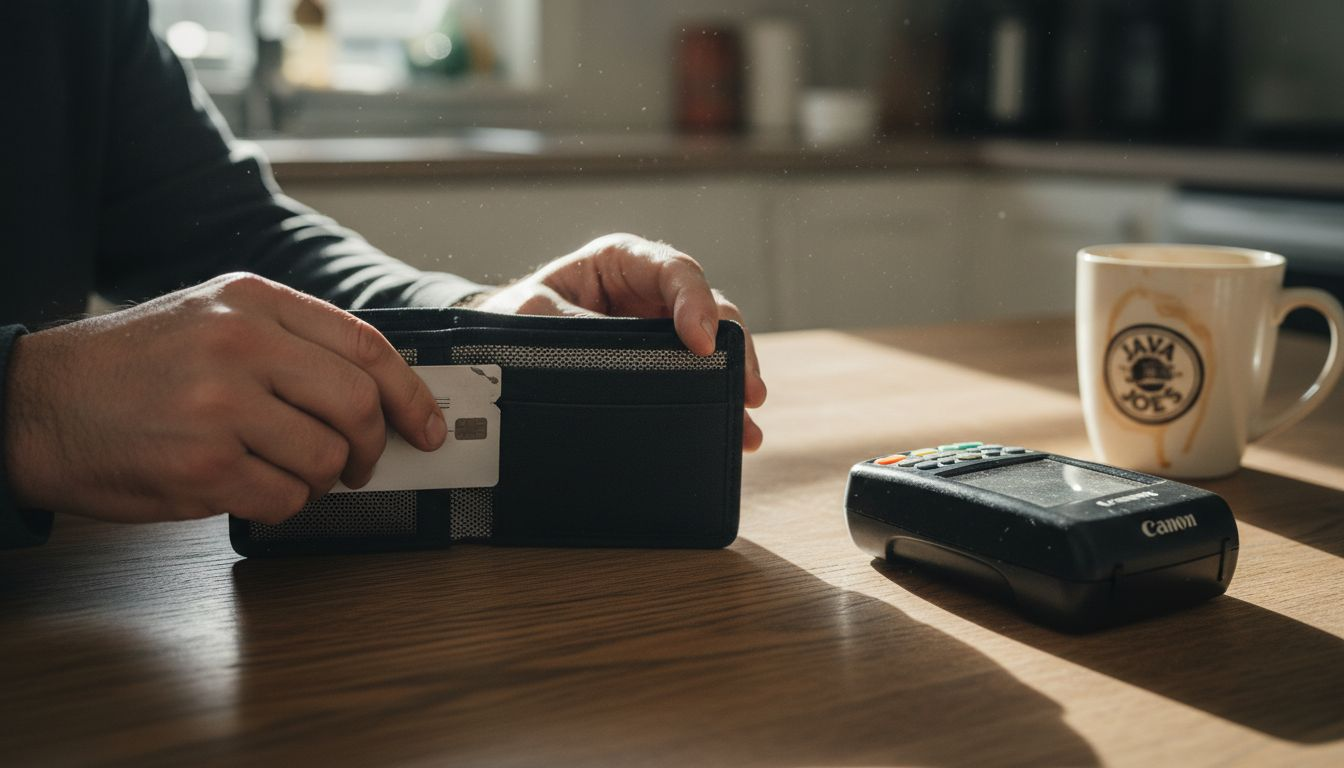
Modern RFID blocking wallets come in various designs and materials, ranging from leather wallets with metallic thread linings to high-tech synthetic fabrics engineered specifically for signal blocking. Some advanced versions incorporate multiple layers of protection, using combinations of metallic meshes, conductive polymers, and specialized weaving techniques to ensure comprehensive signal disruption. The effectiveness of these wallets depends on the quality of materials and the precision of their construction, with top-tier designs offering near-complete protection against electronic pickpocketing.
Pro Tip for Tech Safety: Always test your RFID blocking wallet’s effectiveness by placing a contactless card inside and attempting to scan it with an RFID reader, ensuring your chosen wallet provides genuine protection against digital data theft.
Modern Styles and Material Choices
The world of RFID blocking wallets has evolved far beyond simple protective gear, transforming into a sophisticated fusion of technology and fashion. Contemporary RFID wallets utilize materials such as carbon fiber and metallic fabrics, offering consumers a perfect blend of security and style that doesn’t compromise on design or functionality. These innovative materials not only provide robust electromagnetic shielding but also deliver a sleek, modern aesthetic that appeals to tech-savvy professionals and fashion-conscious individuals alike.
Modern RFID blocking wallets come in a diverse range of styles and materials, catering to different preferences and needs. Leather wallets remain a classic choice, with manufacturers now incorporating metallic threads and conductive linings that maintain the traditional look while adding advanced protection. Synthetic materials like high-performance nylon and specialized polymer blends have also gained popularity, offering lightweight, water-resistant options that are particularly appealing to travelers and outdoor enthusiasts. These materials can be engineered with microscopic metallic grids that create an effective electromagnetic barrier without adding significant bulk or weight.
For those seeking cutting-edge design, emerging wallet styles include minimalist carbon fiber wallets, smart bifold designs with integrated tracking technologies, and modular wallets that can adapt to different carrying needs. Some premium models feature multi-layered construction techniques that combine different materials like leather exteriors with metallic inner linings, creating wallets that are as much a statement of personal style as they are a security device. The color palette has also expanded dramatically, moving beyond traditional browns and blacks to include vibrant colors and sophisticated neutrals that reflect individual personality and professional aesthetic.
Below is a quick overview of popular RFID wallet materials and their unique qualities:
| Material | Security Effectiveness | Key Benefits |
|---|---|---|
| Metallic Fabrics | High shielding | Flexible, lightweight |
| Carbon Fiber | Superior barrier | Ultra-light, modern look |
| Leather with Metal Threads | Reliable protection | Classic appearance |
| Synthetic Polymer Mesh | Moderate to high | Water resistant, durable |
Pro Tip for Smart Shopping: When selecting an RFID blocking wallet, prioritize quality of construction over price, and always check the specific blocking capabilities by testing with a contactless card before making your final purchase.
Benefits Compared to Traditional Wallets
RFID blocking wallets represent a quantum leap in personal security, offering significantly more protection than traditional leather or fabric wallets. RFID wallets provide an added layer of security by preventing unauthorized scanning of RFID-enabled cards, drastically reducing the risk of electronic pickpocketing that plagues conventional wallet designs. While traditional wallets simply store cards, modern RFID blocking wallets act as a sophisticated digital shield, protecting your financial and personal information from increasingly sophisticated electronic theft techniques.
The advantages of RFID blocking wallets extend far beyond basic security. Traditional wallets leave contactless credit cards, ID cards, and passports completely vulnerable to remote scanning, potentially exposing sensitive personal data within seconds. RFID blocking wallets counteract this risk through advanced electromagnetic barriers that completely neutralize unauthorized data transmission. Modern designs also offer enhanced organizational features, with specialized compartments for cards, cash, and digital devices that traditional wallets simply cannot match. These wallets are engineered to provide maximum functionality while maintaining a slim, streamlined profile that fits comfortably in pockets or bags.
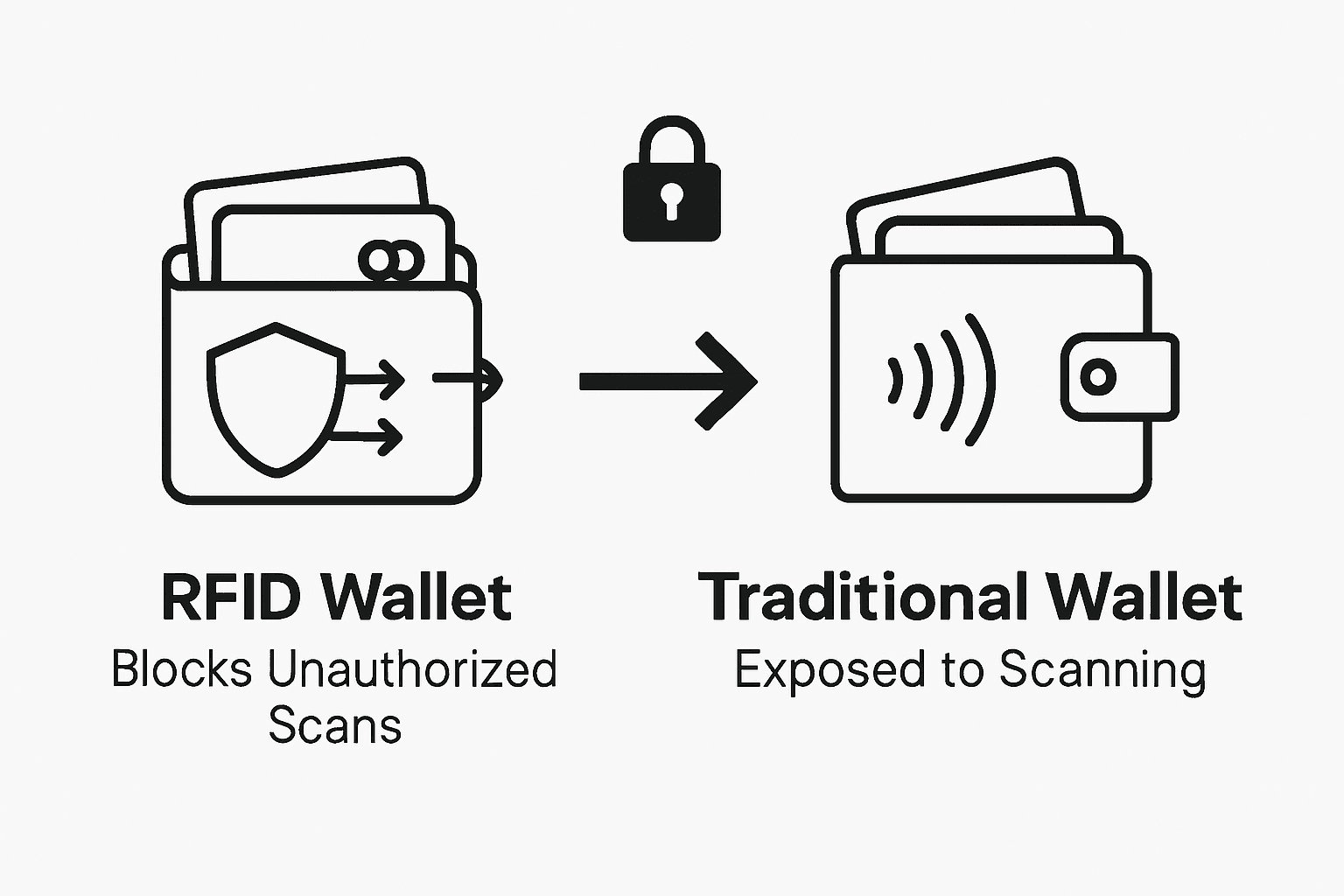
Beyond security, RFID blocking wallets represent a significant upgrade in materials and design philosophy. Where traditional wallets were purely utilitarian, these modern accessories integrate cutting-edge technologies like moisture-resistant fabrics, RFID-blocking metallic threads, and smart compartment designs. They cater to digital-age consumers who demand more from their accessories – combining style, security, and practicality in a single package. The materials used in these wallets, such as carbon fiber, specialized polymers, and high-performance textiles, offer superior durability compared to standard leather or cloth wallets, ensuring longer-lasting protection and aesthetic appeal.
Here’s a comparison of RFID blocking wallets and traditional wallets:
| Factor | RFID Blocking Wallet | Traditional Wallet |
|---|---|---|
| Digital Theft Protection | Blocks unauthorized scans | No digital protection |
| Materials Used | Metal, carbon fiber, tech fabrics | Leather, fabric, synthetic leather |
| Card Accessibility | Occasionally reduced | Typically effortless |
| Durability | Often premium materials | Varies, usually basic |
| Style Options | Modern, tech-focused | Classic, limited variety |
| Price Range | Usually higher | Typically lower |
Pro Tip for Smart Protection: Always perform a quick test with your contactless card and an RFID reader to confirm your wallet’s blocking capabilities, ensuring comprehensive protection against potential digital theft.
Potential Drawbacks and Limitations
RFID blocking technology, while innovative, is not without its complexities and potential shortcomings. Some RFID wallets may not provide complete protection due to design flaws or improper card positioning, creating potential vulnerabilities that consumers might not immediately recognize. The effectiveness of these wallets depends on precise engineering, and not all products on the market meet the same rigorous standards of electromagnetic shielding.
While RFID blocking wallets can prevent unauthorized scans, the actual risk of RFID skimming is relatively low, which means some consumers might be investing in a solution for an overstated threat. The technical complexity and additional cost of RFID blocking wallets may not always justify the marginal security increase, especially for individuals who are not frequently in high-risk urban environments or traveling extensively. Some wallet designs can also introduce practical limitations, such as slightly reduced card accessibility, increased wallet thickness, or reduced flexibility compared to traditional wallet designs.
Additionally, the performance of RFID blocking wallets can vary significantly based on manufacturing quality, materials used, and specific design characteristics. Cheaper models might create false security by offering minimal or inconsistent protection, while more expensive versions provide comprehensive shielding. Consumers must be discerning, understanding that not all RFID blocking technologies are created equal. Factors like material conductivity, wallet construction, and precise electromagnetic blocking capabilities can dramatically impact the wallet’s actual protective capabilities.
Pro Tip for Smart Selection: Research and compare multiple RFID wallet models, read detailed technical specifications, and if possible, test the wallet’s blocking capabilities using a contactless card and RFID reader before making a final purchase.
Protect Your Digital Life with Stylish RFID Wallets from Baggizmo
The article highlights the growing risks of electronic pickpocketing through RFID scanning and explains how specialized wallets create an electromagnetic shield to keep your personal data safe. If you are concerned about unauthorized scanning of your contactless cards or passports, now is the time to choose products that offer proven RFID blocking technology combined with modern design. Experience peace of mind knowing your information is securely protected inside sophisticated wallets crafted with high-quality materials such as carbon fiber and metallic fabrics.
Discover our exclusive collection of smart wallets and accessories at Baggizmo shop where fashion meets advanced security features. Explore options that fuse technology and style by visiting the Tech Archives – Baggizmo for the latest in innovative designs. For those who value aesthetic appeal along with functionality, our Design Archives – Baggizmo showcases wallets that do not compromise on elegance while providing effective RFID protection.
Take control of your digital safety today and select your ideal RFID blocking wallet from our curated range. Shop now to benefit from limited edition releases and enjoy free shipping over $200. Protect your identity with style by visiting Baggizmo shop.
Frequently Asked Questions
What is an RFID wallet?
An RFID wallet is a protective accessory designed to shield credit cards, passports, and other contactless payment methods from unauthorized digital scanning, preventing electronic theft.
How does RFID blocking technology work?
RFID blocking technology works by using materials that create an electromagnetic barrier, known as a Faraday cage, which disrupts radio frequency signals and prevents unauthorized access to the data stored in RFID-enabled cards.
What are the benefits of using an RFID wallet compared to a traditional wallet?
RFID wallets provide significantly more security by blocking unauthorized scans of RFID-enabled cards, offer better organizational features, and are crafted from advanced, durable materials that enhance both protection and style.
Are there any potential drawbacks to using RFID blocking wallets?
Yes, some RFID wallets may not offer complete protection due to design flaws or improper card positioning. Additionally, the actual risk of RFID skimming is relatively low for many consumers, which may impact the perceived value of investing in an RFID wallet.
Recommended
- 7 Key Benefits of RFID Wallets Every Smart Shopper Should Know
- 7 Key Advantages of RFID Wallets for Stylish Professionals
- The Benefits of an RFID Wallet | Ultimate Guide | Baggizmo
- RFID Protection: Shielding Privacy in Everyday Life
Need an everyday carry bag?
Meet Baggizmo Crossbody — built for daily essentials, close and secure.


