31
Dec
Fashion-forward american professionals are demanding more from their accessories, with over 60 percent now valuing sustainability and ethical sourcing when choosing leather bags. Style and conscience do not have to clash, especially for those who prioritize eco-friendly materials and responsible production. This overview clarifies common myths and dives into what truly makes leather sustainable, empowering you to balance environmental values with timeless design in your everyday wardrobe.
Table of Contents
- Defining Sustainable Leather and Common Myths
- Types of Sustainable Leather and Key Characteristics
- How Sustainable Leather Is Produced Responsibly
- Benefits and Limitations for Style and Environment
- Comparing Sustainable, Traditional, and Vegan Leathers
Key Takeaways
| Point | Details |
|---|---|
| Sustainable Leather Redefinition | Sustainable leather production minimizes environmental impact and emphasizes ethical practices throughout the supply chain. |
| Types of Sustainable Leather | Popular types include Vegetable-Tanned, Chrome-Free, Recycled, and Bio-Based leathers, each offering unique ecological advantages. |
| Benefits Over Alternatives | Sustainable leather offers superior durability, reduced environmental impact, and natural biodegradability compared to synthetic options. |
| Importance of Transparency | Consumers should request clear sustainability documentation from manufacturers to verify claims and understand production processes. |
Defining Sustainable Leather and Common Myths
Sustainable leather represents a responsible approach to leather production that minimizes environmental impact and prioritizes ethical practices throughout the supply chain. Diverse stakeholder perspectives reveal sustainable leather involves complex considerations beyond simple material sourcing, encompassing economic, social, and environmental dimensions.


Contrary to popular misconceptions, sustainable leather is not an oxymoron. Modern leather production can actually transform industrial byproducts into valuable materials, challenging traditional narratives about leather’s environmental footprint. Ethical manufacturers now focus on several key strategies:
- Utilizing meat industry byproducts instead of creating additional animal waste
- Implementing eco-friendly tanning processes that reduce chemical pollution
- Ensuring transparent supply chains with verifiable worker protections
- Developing innovative production techniques like chrome-free tanning
The most significant myths surrounding sustainable leather often stem from oversimplified understandings of material production. Synthetic alternatives are not automatically more environmentally friendly, and high-quality leather can represent a durable, biodegradable material when produced responsibly. The key lies in understanding nuanced production methods and supporting manufacturers committed to genuine sustainability.
To better understand the evolution of sustainable leather, here’s a summary of how key practices have changed over time:
| Era | Traditional Leather | Sustainable Leather Today |
|---|---|---|
| Sourcing | Raw animal hides primarily for leather | Byproducts from meat industry prioritized |
| Tanning | Chemical-heavy processes | Eco-friendly and chrome-free methods |
| Transparency | Limited supply chain visibility | Advanced traceability systems |
| Worker Protections | Often unregulated labor | Verifiable ethical standards |
Pro tip: When evaluating leather products, ask manufacturers about their specific sustainability practices, including tanning methods, chemical usage, and waste management protocols.
Types of Sustainable Leather and Key Characteristics
Sustainable leather represents a diverse ecosystem of materials designed to minimize environmental impact while maintaining high-quality production standards. Contemporary research reveals multiple innovative approaches to creating environmentally responsible leather alternatives, each with unique characteristics and production methodologies.
Several primary types of sustainable leather have emerged in recent years:
- Vegetable-Tanned Leather: Uses natural plant extracts for tanning, dramatically reducing chemical usage
- Chrome-Free Leather: Eliminates toxic chromium compounds from traditional tanning processes
- Recycled Leather: Repurposes existing leather materials to reduce waste
- Bio-Based Leather: Utilizes innovative materials like mushroom, pineapple, or cactus fibers
Sustainable leather types differ significantly in their environmental contributions, with each approach addressing specific ecological challenges. Vegetable-tanned leather, for instance, uses natural tannins that are biodegradable and less harmful to ecosystems. Chrome-free leather eliminates heavy metal contamination, while bio-based alternatives offer revolutionary ways to create leather-like materials without traditional animal sourcing.
Understanding these nuanced approaches helps consumers make more informed purchasing decisions, recognizing that sustainability is not a binary concept but a spectrum of responsible manufacturing practices. The future of leather production lies in continuous innovation, transparency, and a commitment to reducing environmental impact.
Here’s a quick comparison of popular sustainable leather types and their sources:
| Leather Type | Primary Raw Material | Key Environmental Advantage |
|---|---|---|
| Vegetable-Tanned | Plant tannins, animal hide | Reduced chemical pollution |
| Chrome-Free | Natural or safe agents | Eliminates heavy metals |
| Recycled | Scrap leather fibers | Diverts waste from landfill |
| Bio-Based (e.g. cactus) | Plant-based fibers | No animal inputs |
Pro tip: When shopping for sustainable leather, always ask manufacturers about their specific production methods and certifications to verify their environmental claims.
How Sustainable Leather Is Produced Responsibly
Responsible leather production involves a comprehensive approach that transforms traditional manufacturing practices into environmentally conscious and ethical processes. Innovative strategies in leather production focus on minimizing waste and reducing ecological impact throughout the entire manufacturing lifecycle, addressing critical environmental challenges.
Key strategies for responsible leather production include:
- Ethical Raw Material Sourcing: Utilizing hides from animals processed for meat consumption, preventing additional animal slaughter
- Eco-Friendly Tanning Techniques: Implementing vegetable-based and chrome-free tanning methods
- Water Conservation: Developing closed-loop water recycling systems
- Chemical Management: Reducing and replacing harmful chemical compounds with sustainable alternatives
Technological innovations are transforming sustainable leather production through advanced environmental management practices, creating more transparent and accountable manufacturing processes. Modern manufacturers now prioritize traceability, implementing rigorous tracking systems that allow consumers to understand the complete journey of their leather products from raw material to finished good.
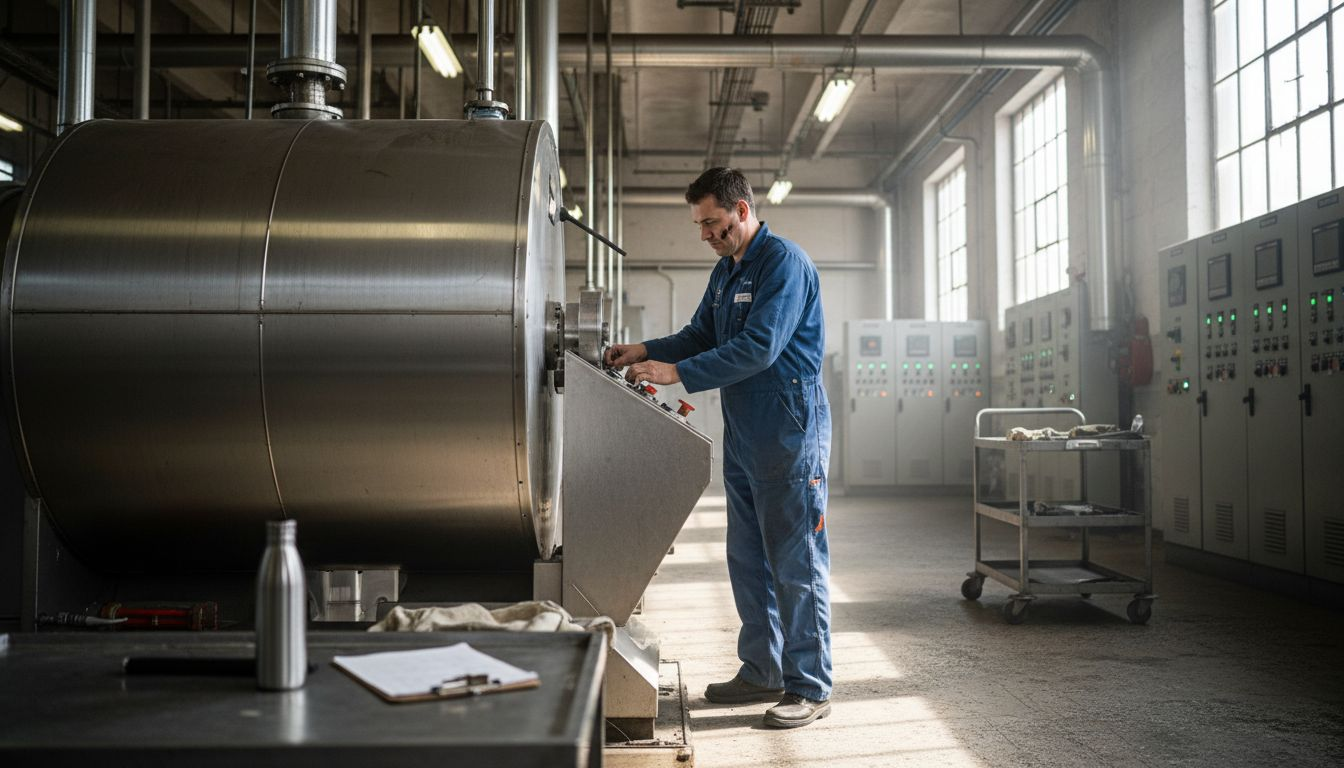
The future of responsible leather production demands continuous innovation, collaboration between stakeholders, and a commitment to environmental stewardship. By integrating advanced technologies, ethical sourcing practices, and comprehensive waste management strategies, the leather industry can significantly reduce its ecological footprint while maintaining high-quality material standards.
Pro tip: Always request transparency documentation from leather manufacturers to verify their sustainable production claims and environmental certifications.
Benefits and Limitations for Style and Environment
Sustainable leather represents a complex balance between environmental responsibility and aesthetic performance, offering both significant advantages and notable challenges for conscientious consumers. Contemporary research reveals nuanced insights into the environmental and stylistic implications of sustainable leather production, challenging traditional perceptions of material quality and ecological impact.
Key benefits of sustainable leather include:
- Superior Durability: Longer lifecycle compared to synthetic alternatives
- Reduced Environmental Footprint: Minimized waste and chemical usage
- Natural Biodegradability: Organic material decomposition unlike petroleum-based synthetics
- Aesthetic Authenticity: Maintaining traditional leather’s luxurious texture and appearance
Sustainable leather technologies are addressing critical limitations while preserving style and functionality, demonstrating remarkable innovation in material science. Manufacturers are increasingly developing techniques that reduce environmental impact without compromising the aesthetic qualities consumers expect from premium leather products.
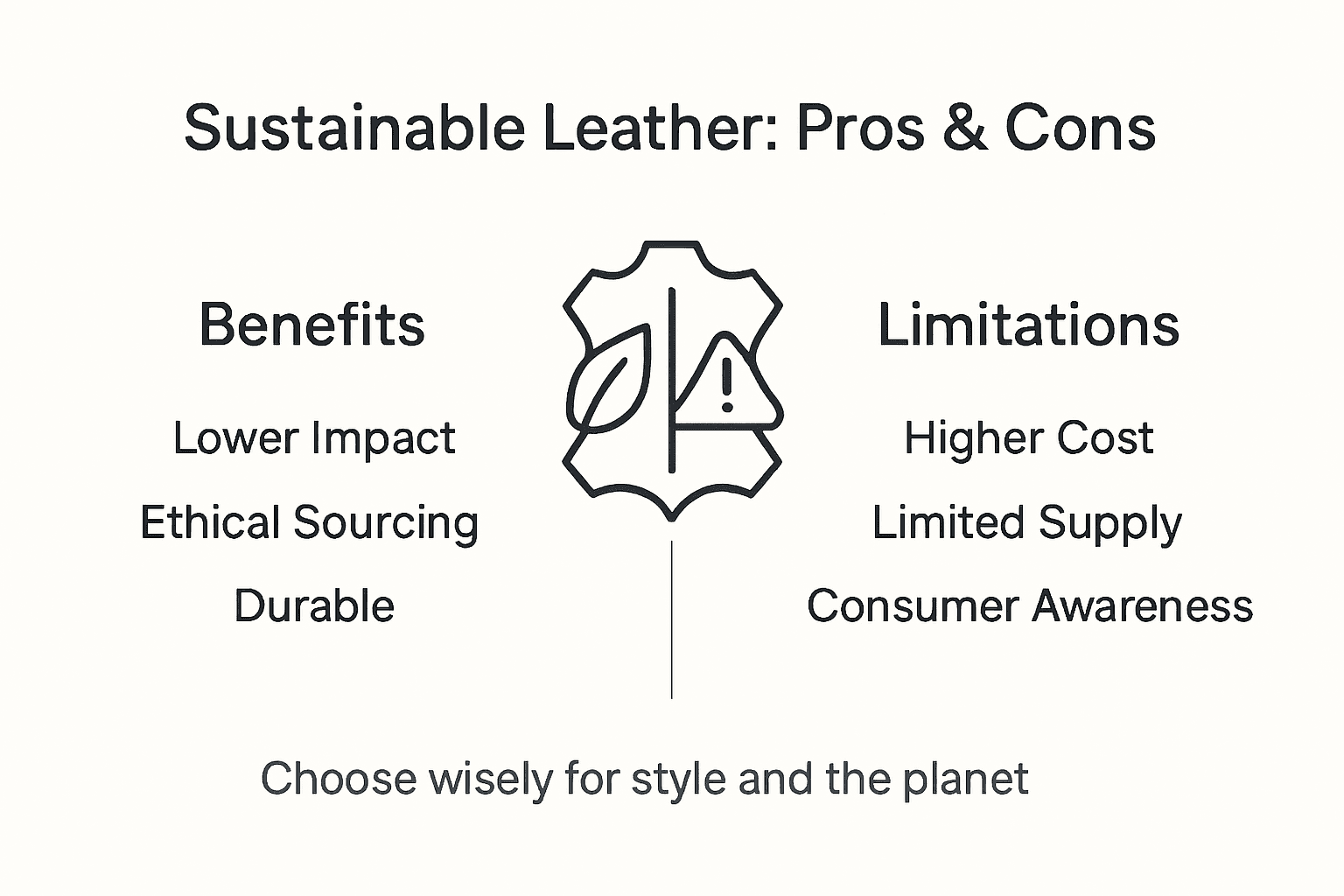
While sustainable leather offers promising solutions, challenges remain in scaling production, managing costs, and shifting consumer perceptions. The transition requires continued investment in research, transparent communication about environmental benefits, and collaborative efforts across design, manufacturing, and consumer markets.
Pro tip: Compare multiple sustainable leather products and their certification standards to make the most informed and environmentally responsible purchasing decision.
Comparing Sustainable, Traditional, and Vegan Leathers
Material choices in modern fashion represent complex environmental trade-offs, with leather alternatives presenting unique challenges and opportunities. Comprehensive research reveals nuanced differences between traditional, sustainable, and vegan leather technologies, challenging consumers to look beyond surface-level sustainability claims.
Key comparative characteristics include:
Traditional Leather:
- High durability
- Resource-intensive production
- Chemical-heavy tanning processes
- Substantial carbon footprint
Sustainable Leather:
- Ethical sourcing
- Reduced chemical usage
- Biodegradable materials
- Lower environmental impact
Vegan Leather:
- Animal welfare friendly
- Often petroleum-based
- Limited biodegradability
- Variable environmental performance
Modern leather technologies are increasingly addressing sustainability challenges across all material categories, demonstrating that environmental responsibility can coexist with aesthetic and functional requirements. Manufacturers are developing innovative approaches that minimize ecological damage while maintaining product quality and consumer expectations.
Understanding these material nuances requires moving beyond simplistic categorizations. Each leather type presents unique environmental trade-offs, making consumer education and transparent manufacturing processes critical for making informed purchasing decisions.
Pro tip: Request detailed sustainability documentation from manufacturers to understand the true environmental impact of your leather products.
Discover Stylish Sustainable Leather Options Designed for Today
The challenge of choosing truly sustainable leather products means balancing style, durability, and environmental responsibility. This article highlights key concerns like ethical sourcing, eco-friendly tanning, and transparent supply chains that every thoughtful consumer faces. At Baggizmo, we understand your goal to support sustainable fashion without compromising on originality or usability. Our curated collection of leather bags and accessories reflects those exact values by featuring high-quality craftsmanship aligned with modern sustainable practices.
Explore our range on the Fashion Archives – Baggizmo page where function meets conscious style. Every piece blends innovative design with responsible material choices, ideal for consumers eager to make positive environmental impacts. Browse the latest selections and limited editions today at Baggizmo Shop and elevate your wardrobe with leather goods that truly matter. Ready to experience sustainability with style Visit Design Archives – Baggizmo for exclusive insights and accessories crafted with purpose.
Frequently Asked Questions
What is sustainable leather?
Sustainable leather is a type of leather produced with practices that minimize environmental impact and prioritize ethical standards throughout the supply chain. It focuses on responsible sourcing, eco-friendly tanning, and transparent supply chains.
How is sustainable leather produced responsibly?
Sustainable leather production involves ethical raw material sourcing from meat industry byproducts, employing eco-friendly tanning techniques, conserving water through recycling systems, and managing chemicals to reduce environmental harm.
What are the different types of sustainable leather?
Types of sustainable leather include vegetable-tanned leather, chrome-free leather, recycled leather, and bio-based leather made from materials like mushroom, pineapple, or cactus fibers, each addressing different ecological challenges.
What are the benefits of using sustainable leather over traditional leather?
Sustainable leather offers benefits such as superior durability, a reduced environmental footprint, natural biodegradability, and retaining the luxurious aesthetics of traditional leather while being produced through more responsible methods.
Recommended
- Why Choose Leather Bags: Style, Durability, Impact
- Why Italian leather never goes out of style
- How to Spot Quality Leather Bags Like a Pro
- The importance of eco-friendly textile industry | Baggizmo
Need an everyday carry bag?
Meet Baggizmo Crossbody — built for daily essentials, close and secure.


